I started writing this a while ago after Wife Tammy’s production “Art Of The Cowgirl”. We had a little discussion on the ranch rodeo and the way cattle were handled. It got me to thinking about why I do things the way I do. So here it is, kind of long, but I think it is worth your time if you are interested in improving the way you work livestock.
I’ve been in a whirlwind for the last few of weeks. From one event to the next with not much time between and also trying to get things done on the new ranch and getting sick in the middle of it all made for a long couple of weeks.
I had one of the best demos ever in New Orleans at NCBA convention. Ron Gill and I had done it the day before and it didn’t go so good. Our pressures didn’t match up very good and the cattle didn’t work very good and I didn’t feel good after the demo.
I got to think about it and figure out how to do better. Ron had a different obligation so Dean Fish and I did the demo together, and it worked out a lot better because I changed the way I pressured and was able to talk about what I was doing better. The cattle worked great and we were able to present it in a way that folks could really see and understand what we were talking about. I learned and changed and in 24 hours it was a much different demonstration with the same facilities and similar cattle.
I have been working very hard for the last 20 years on getting more done with better pressure and trying to present this to people in the horse and livestock world, and have never backed off what I feel is right for production livestock and working with animals.
It is very difficult sometimes to put your thoughts and opinions out to the public and not get thoughts and opinions back from folks with their own thoughts and opinions or representing what they feel are thoughts and opinions of the pioneers or “Gurus “, in my case in the horse world Ray Hunt and the cattle world Bud Williams, the two I admire and study the most
I did not know either one on a personal level, but invested a lot of money and time in trying to get what they were offering for money to improve my skills with livestock. I didn’t really think they were the kind of people I wanted to be friends with, and I’m pretty sure they didn’t really want to be friends with me, but they both took my money and I took their teaching for that money. I really worked hard studying what they offered, then put it in my own mind and environment to help me with what I wanted for my horsemanship and stockmanship.
This is very important to realize, and it took me some time to figure this out. I would go and learn from other folks that claimed to be students of one of the Gurus, but from my observations it was nothing near my interpretation of what I learned from the teacher. You can’t be someone else no matter how you try. You can wear the same clothes and use the same equipment but it doesn’t make you recreate what the “teacher” did to be the teacher.
Many years ago I spent a little time at Tom and Margaret Dorrance’s place. One of the talks we had was about “Surface Workers”. It was a talk that really effected me, and I really worked hard at not being a surface worker, but really understanding what created what I was looking for in working with livestock and horses. The important word here is what “I” want and think is important.
I am a production agriculture guy. The way my mind was shaped growing up was raising livestock (horses were livestock, not companion animals) for profit.
My grandfather Leonard was not a cowboy even though he wore a cowboy hat sometimes, and was probably had as many horseback miles as anyone, but he wasn’t a cowboy.
He was a horse trader, cow trader, small rancher, and somewhat of a real estate investor even though I don’t think he knew it. He bought stuff to make a profit, and was very good at upgrading things to make that profit, or buying things right to not lose money. He was very frugal and didn’t like spending money on anything if it wouldn’t make him money.

He was pretty good at getting animals to do what he wanted, and was really good at getting animals to eat and get fat. He bought a lot of horses for slaughter, and said the best color for a horse was fat. He liked horses, but he didn’t fall in love with them. They were for sale at a profit. He really loved his cows, always made sure they had everything they wanted and more, but when it was time to sell, he sold and didn’t let emotion get in the way.
He bought and sold small numbers of livestock and trucked cattle for people with a truck with a twenty foot bed. We weighed a lot of small numbers of cattle and when I was around twenty years old I was really good at guessing weight on cattle. We were always sorting and working cattle and I was good at it.
I spent much of my youth with my Grandpa Len and was really influenced by him more than anybody else.
My other Grandfather, Ed Pate was a cowboy, and worked for other people his whole life.
I didn’t get to spend as much time with him as he lived and worked in Idaho, but really liked spending time working with him. He made a lot of money for other people taking care of their livestock, and was willing to do whatever it took in human sacrifice to make sure the man paying him had his livestock cared for, and I think he helped a lot of people die with a lot more money, while he died with not having many possessions, he instilled in me the desire to take care of animals and work hard for someone you hire out too.
I put up a lot of hay in my in my younger days but I didn’t have a passion for it.
I like feeding animals and grazing animals, so when I started looking for jobs I was focused on only jobs caring for livestock and was not very interested in farming. I got a lot of experience and worked around some real good stockman with both sheep and cattle. The people I learned from were more stockman than cowboy, even though they were horseback outfits.
So even though I like roping and have worked hard at getting good at it, and like riding horses that are real handy, and enjoy using dogs to help handle stock, my mind has always been on the production of livestock first, and using cowboy skills to enhance that production.
So when I started to study stockmanship skills, I had a certain mindset on what I thought was best, because of all the influences in my life. It might have created a different desired result than you or other folks have. That’s ok, and just because we may have different desires for the outcome, we can still share and learn ideas.
I am very happy with were I’m at right now, but not satisfied. I know I’m going to get much better, as I have lots of desire to get better and know I can tweak the things I know and make what I know even better.
I have been riding three horses real consistent for the past couple months. They are all a little different and none of them are pets but I’ve been getting by them pretty good.
I’ve been busy for about three weeks and it’s been cold and snowy so I haven’t been riding them for a month or so. We had a fellow come to do some filming for a couple of days, and I saddled all three in that time, led them out of the barn and stepped on and rode em off and went to work. No ground work or anything and they just rode like they did when I put them up a month ago. No surface work there.
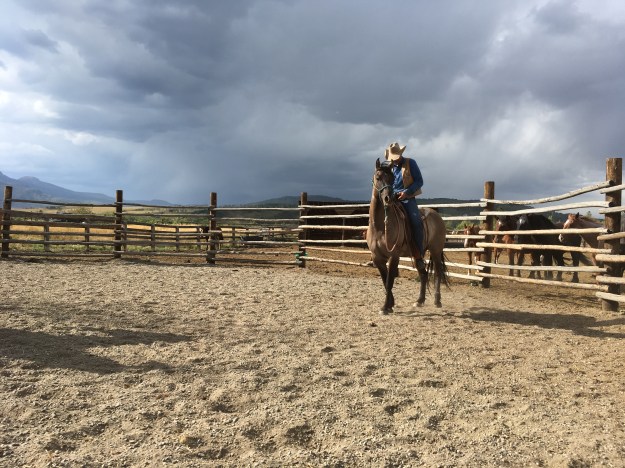
We have had bucking bull stock around here for the last several years and they have been real good at teaching me to work with and handle lively animals. I feel I am pretty good at working these cattle. We moved all those animals to Oklahoma for a better climate and daughter Mesa has them.
I wanted something different to work with last winter so I found a small heard of Mini cows for sale. They are a real ranchy looking bunch. I am not sure if I can ever get them sold as there is not much demand for them, but I sure have had fun with them.
When I went to get them the fellow that had them used feed to move them. They would not drive. He used feed in a yellow bucket to get them in the corral to load them and then had to put the bucket in the trailer. The ones that wouldn’t go on Son Rial and I had to physically put them on. They were gentle but you couldn’t move them.
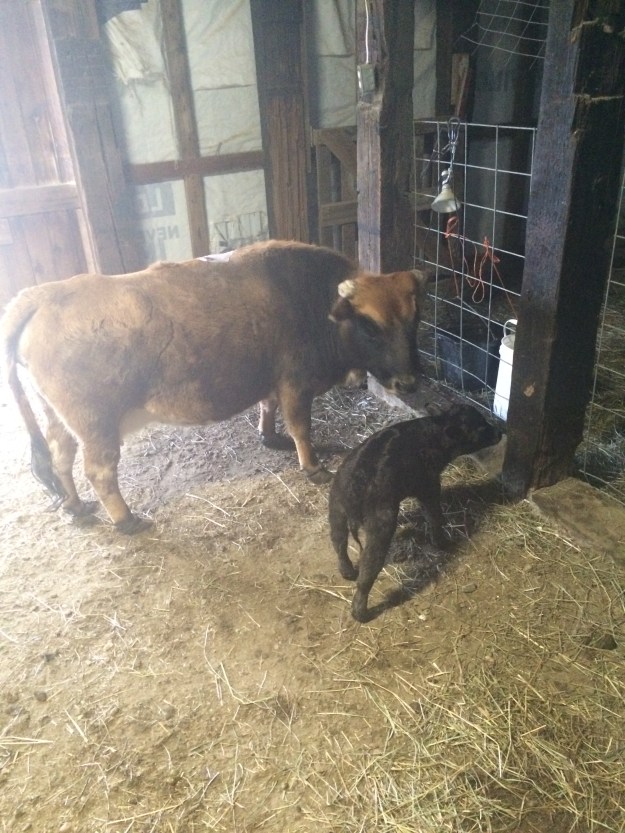
Well it’s been a year since I got them and boy they are nice to handle. They really respond well to pressure and make real nice turns and you can park them at a gate, open the gate and they will file right through. They are not gentle and a couple are kind of on the wild side, after they got their freedom. They are fat and healthy and I feel like I could “put em down a gopher hole or up a telephone pole (a Tom Dorrance saying). They are fun for me to work with and I feel like they are very well taken care of and content.
So what I am saying is not every one has the same idea of how to and what’s right with working livestock. I think it is how you were influenced and what your goals are. I have really taken the things that I used starting Colts for the past thirty years and put those same techniques and philosophies to use handling livestock. I am real satisfied with that style of handling.
Bud Williams had talked about his methods of starting Colts and his thoughts on it a little, but I couldn’t get much out of him. I finally got hold of a video he had made of his method for starting one. It was nothing like I thought it would be and it didn’t fit what I wanted. It fit him and I’m sure a lot of people like it but I didn’t. It’s no problem and I still am watching his stuff trying to get better with cattle and sheep, but I am not interested in the horse stuff.
I never got to see Ray Hunt working cattle in a ranch situation, but watched him work a bunch of colts in an arena and get control of them as a herd and he could really control the movement and turns of the horses. I have used what I learned from observing that when working with herds of cattle. If you can get a bunch of colts ready and handling for people that maybe shouldn’t be riding colts, you can surely handle cattle and put em where you want. His horses were incredible for that kind of work.
I’ve also been studying Temple Grandin for the past several years. She is a sponge of all knowledge. She learns things to add to her way of seeing things in pictures and shares them with others. Some people don’t agree with what she is saying, but if you don’t listen to her you are missing some very good things to improve stockmanship.
So what I am trying to say is be yourself but create yourself with the help of others that create what you like. Then really ask yourself if you are just working without really understanding, like doing and saying what someone else is doing and saying without understanding why.
Don’t be a surface worker, even if it causes a little disagreement.


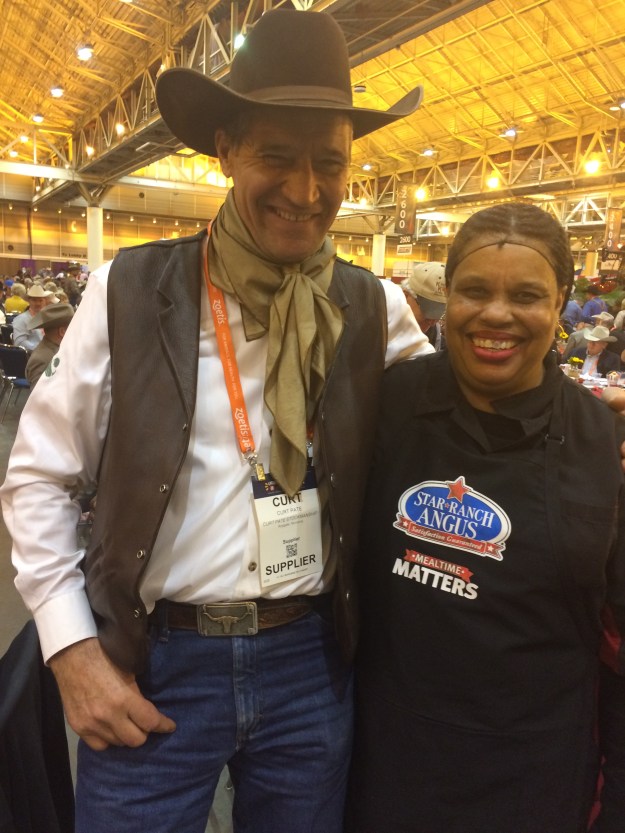
 Curt Pate Stockmanship