Monthly Archives: February 2018

Forward Movement from Moose Jaw

I have been trying to figure out the best way to try to explain my thoughts on creating good movement in an alley, crowding area, and lead up alley to a chute. I started out comparing it to starting a colt, and that’s a pretty good way to compare it if you have started some colts. Not everyone understands what it’s like to ride a young horse and getting him to move out, so we will take another approach.
F928AF21-6266-4C64-8273-4F776B7B877E

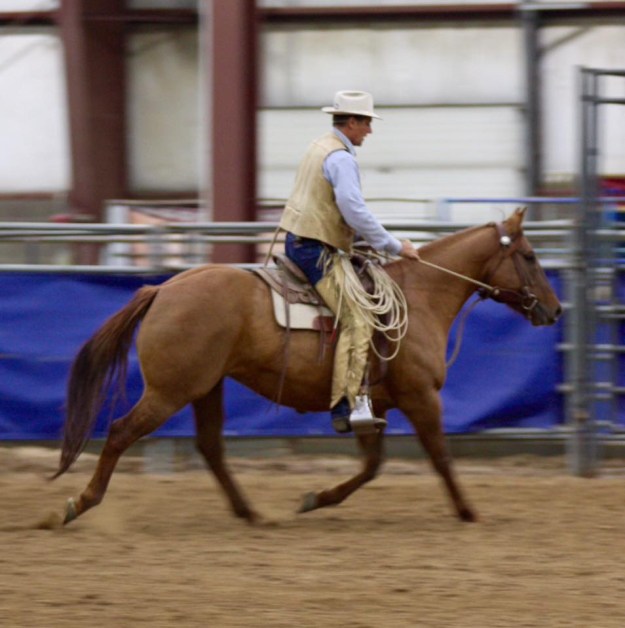
My horse Jaxsen with forward movement.  He’s about to run off!

There has been some real good writing on this subject by others, and if you do a little research you can find it. I will go about trying to get my point across not by copying or repeating others, but try to present it in my own thoughts and methods.

One of the things that’s written and spoken about is flight zone. That’s a good place to start.

If we are trying to keep the stress level low, flight would be considered a negative. Flight is caused from fear, and in my opinion fear is much worse on an animal than pain. We need to take it farther and figure out there are different kinds of fear. Let’s call it acute fear (flight)and dull fear (aggravation)

I have watched all my life how much animals can take. Castrate a 500 pound bull calf and before long he has his head down eating. Now if you rubber band that calf to castrate him, after the fear of having the rubber band put on, he has the aggravation  of the dull constant pain and has to take it and get used to it. If an animal can only think of one thing at a time he thinks about that hurt in his belly and how it effects everything.

The calf that was knife cut may be very flighty and leave the castrations area in a hurry. When you approach him, at first he will react. The next day he will be stiff and sore and may act more like the banded calf(depending on the moon as Grandma Betty would say)and you must be careful not to cause him to injure his wound, but if you move him around a little he will get to feeling better.

The rubber banded calf will be much less responsive as he has had the dull pain and is not able to respond normally because of the rubber band. He may not be able to walk right and doesn’t want to or can’t move fast. A pen of rubber banded calves (if they were not crazy wild)will get hard to move because they have to overcome their fear of you because they can’t physically move as well. They would rather take your pressure than the discomfort of the rubber band on the testicles is causing. If you are not careful and really pressure properly you will have trouble moving them from then on.

If we go back to the colt scenario, the job of the colt starter is to get the horse to responding to the amount of pressure presented, but not exiting the chute at top speed every time. We get the horse to understand to not be afraid of the pressure, but to move at a pace that matches the pressure. If the colt has a lot of fear it will over respond and make it very difficult to get him where you want him and may be unsafe. The more “flight” the horse has the less it take him to go.
240E9EE4-8F3A-44B4-A5D5-D7EE4638B2B1

With those thoughts in mind, let’s look at what happens in the life of a cow. Like the calves I explained about in Canada, and filling the tub, storing them in the tub, and bring them up as needed(exactly what we all say not to do). These calves don’t have fear of what is about to happen to them, as they have never had it happen before. Most go up easily, get processed and have the first fear reaction when the squeeze and head catch is applied, and then have lots of things that create a fear reaction happen in less than a minute. They leave pretty fast and are a little stirred up.

Now let’s step ahead to the next time they go through. They may be a little harder to get up the alley and the gate closed on the tub or box. They should still be responsive to the human and it’s pretty easy to get them to go even if you are not using the best pressure. The fear of the human is still more than what is up ahead. If they can only think about one main thought at a time, they will respond to the highest stimulus and that is still the human.

This time if you fill the tub or box you will have lots of trouble getting them started up the lead up. The memory and fear that they get as they leave the herd and start up the alley will be more pressure than you can put on in this situation and they will learn to refuse or run through your pressure.

Now let’s do it right, and by the way these are replacement heifers that you will deal with for many years to come. Take the proper number (less is best)for the box or tub and lead up to create flow. Keep the pressure on in a way that keeps them thinking forward, and have enough pressure to keep them from having time to change their mind. “Be quick, but don’t hurry” will help you keep enough on, but not to much.

This will create a mindset to over come pressure coming back on them (the transition to lead up alley puts pressure back, that you must overcome to get them to go forward rather than turn back, this is why a tub with the pivot point at the entrance to lead up alley is most effective, and if you are using a box, you need to be in position to keep the pressure on to send the forward with out turning back.

I used to use Purina feed sacks (sponsor prostitution)to get colts to learn how to to go forward through pressure. I would start out with the sacks about the right distance to create a pressure that the horse needed to be helped through. If they were to close, the horse would refuse and he would learn to overcome your pressure by stopping,or learn to escape the pressure by running through their shoulder sideways or turning back.

Having to keep track of things on both sides is what is the pressure. As the colts starts through the pressure is causing to not to want to go forward. As he crosses the “balance point” the pressure changes from pushing back to driving forward. The horse gets to looking for that release, and when the balance point moves forward, it’s time to move the sacks in a little.

31C19A8D-4971-43A6-8F74-BAEC66DA4A6A

I used the same concept at a cattle handling clinic in British Columbia.  We had spectators sit in their chairs and we had teams take the cattle through.  Really a good exercise.

If you had several colts being ridden, the most forward and responsive ones could go first and help draw the others through. With this approach you put a lot of confidence in the horse, and the pressure back became the reward and caused the horse to want to go forward to the release of pressure. In no time the sacks could be together and the horse would go right over them.

This created a desire to go forward through pressure and it sets the foundation to cross water, roads, ride strait and all kinds of positive things. If you don’t get a young horse going forward through pressure, you might have to deal with it for the rest of the time he is used.

E593C2B3-51DF-4228-80B6-E8B90F00FD4F

Son Rial jumping my horse “After Midnight “.  When a horse has the desire to go through pressure it is easy to get them to do just about anything.

The trouble with it is once he gets to refusing it takes more and more pressure. The reason it takes more pressure, is that he learns to ignore (override the fear and overcome the pressure). Next thing you know you have to add more pressure, and if you have the skill, you can overcome it and change his mind. If you don’t have the skill pretty soon the horse learns to escape or ignore your pressure, and your done. (This is what happens in the situation with the cows in Moose Jaw)

Now if we were to take the same approach with the heifers the first two times up the chute, and taught them to go through pressure and get the reward of freedom from pressure by going through the chute pressure without being caught and processed, they would learn to want to go through pressure just like the colt.

The two spots that are like the sacks are the transition from tub or box to lead up alley and the chute itself. This is one reason a Bud Box is effective. The person controlling the pressure is like the sacks and can change to the needs of the animal, if it’s worked effectively. The tub with the pivot point at the lead up keeps the head pointed through the pressure, and the relief comes from going forward through.

As the calf comes to the chute, it is nice to have someone slowing them down or speeding them up so they must think their way to freedom of pressure. If they go to fast they can scare themselves and it can be worse than catching them.

Once you get this desire to go through pressure, you really have to maintain it. This is why spurs are so popular on horses, and driving aids like flags, sort sticks and rattle paddles are so popular. The make it easier to create more pressure to get an animal going after it has changed its mind. If it had not changed its mind you would not need the aid. That’s why I don’t ride with spurs, and don’t use driving aids with livestock most of the time. If you don’t have them you must be ahead of or at least with the mind of the animal you are working.

This is so important to understand and so hard to figure out. The number one thing to figure out is to not be late with pressure. It doesn’t matter how correct the pressure you put on when working animals, if your late with it it’s wrong!

Hopefully this has got some images in your mind of creating good flow with animals that don’t have bad habits. This was real hard to figure out how to explain my thoughts.

The thing we need to go back to is fear and pain. If the fear or aggravation that you are trying to take the animal too or through is more than the animal can take, they will escape from it, or at least try too(this is how cattle end up upside down in a chute), or simply bear the pain if they don’t have a big flight zone.

We need to work our cattle through a chute much more now than in the past. We will create a resistance with our animals if we don’t really try to figure out if what we are doing is effective. If every time you put your cattle through the chute the get better, life’s good. If every time you put your cattle through the chute, they get worse, well pretty soon you won’t even be able to get them in the corral.

We will continue on the with subject after I let my head clear a little. I might have to spread the sacks out or go through the chute with the gate open a time or two.

Shirt Tail Relativity

I watched a presentation a while back that showed Ron Gill loading calves or light yearlings in a truck from a bud box, and it could not have went any smoother. Then they switched the video to a large famous Texas ranch weighing calves and it was terrible to watch. Lots of crew, lots of pressure and total chaos and not much success, (if you want things smooth). They could not get the gate shut before the calves came back and got by them.

One fella I remember real well was on foot, really working hard he was jumping around trying to keep the cattle going to get the gate closed . He had a white shirt on and it was untucked from all the work he was doing.

3568551B-E903-48BF-9CAB-F1EC25408DD6

A GOOD BUD BOX DESIGN

Now I seen Ron put lots of cattle through a Bud Box. He has seen me put lots of cattle through a Bud Box. Sometimes they go in and out very well. Sometimes it’s not as smooth, but we always seem to get them through pretty well. In a demo, it’s all about how the cattle take and move away from pressure before they get to the box or tub.

4A889923-238D-4243-9A89-0FD5E8535FB4

I LIKE THIS SYSTEM FOR DEMONSTRATIONS- It would be better if the alley was 12 foot, but place only had 10 foot gates so we had to go with 10 foot alley.

I was doing Demos with another fellow that is a real good stockman. I was doing demos at the same time on pen work so I didn’t get to watch his demo.
He was working in a Danials designed system that had a deep box and an angled gate that goes to a double alley lead up to the chute.

At supper we discussed things and he was real disappointed in how the calves worked. He didn’t like the box was designed and didn’t think it was really a Bud Box but more of a old style wedge or “V” system.

The next day he had a tub system and at supper he told me he had to have someone stop the cattle from going up the chute from the tub, so he could show some things.

The last night he was very frustrated with demos. He was back in a Danials system and the cattle would just not go in for him. He was really down on doing demos.

This man is an excellent stockman. He knows how to work cattle right. We discussed lots of things at supper, and in a later conversation he told me he really didn’t like the way tubs worked, and that Bud Boxes were much better(I’m not quoting here, just telling you the general ideas of the conversation.) I found it interesting that of the three days of working, the tub system worked so well he had to get someone to stop them from going in, and he had trouble with the other system. It’s his opinion and I’m not disagreeing with his opinion, I just saw that what we see in our own situation is not the same as someone else’s way of seeing it. You see(a little humor in case you don’t see what I’m talking about.)

In Canada, there are many Danials systems in use and they are very popular. Everyone wants them and they are seen by the majority of folks as the best system. They have been promoted by some real good stockmanship instructors up there.

I have watched lots of cattle go through them and they flow very nicely. I remember a Mennonite boy on a processing crew really working it very well and the cattle just went through the system great.

Temple Grandin and I were doing a demo up in Great Falls, Montana a year or so ago. When you work with Temple she likes to use a tub(we have done some with a Bud Box, and she was very positive about it).

9452A225-24EB-4A96-81B7-2BDFB9B2E0AB

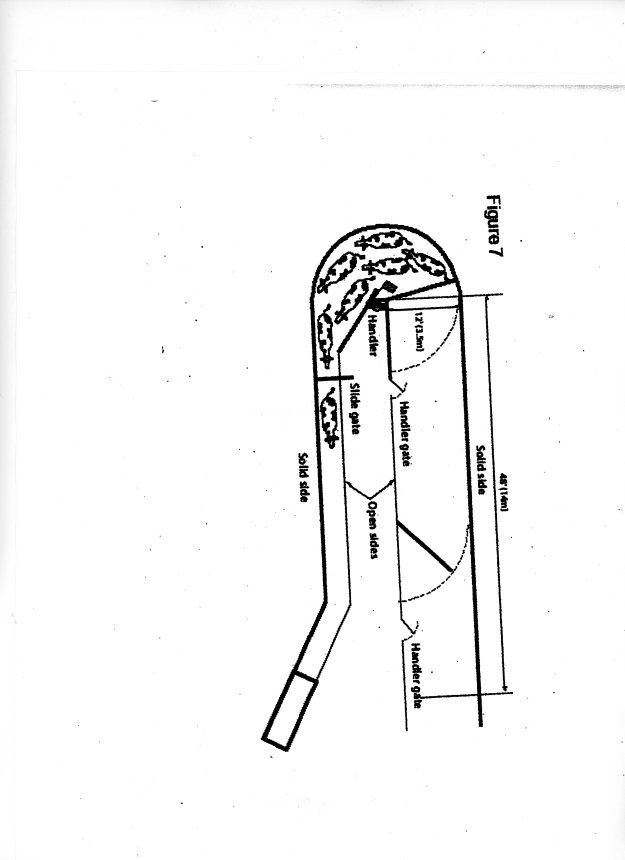
ALL TUBS ARE NOT CREATED EQUAL-Temple sent me this design she likes.

The alley and tub were a real nice system that Temple liked. The pen leading into the alley was real big, and the alley was lined with solid white , and three of us horseback could barely get the very gentle two year old heifers up to it. I had to put lots of pressure on them to get them even to the tub. Once in the tub we could get them to flow pretty easy. There is a fellow that is very against tubs and very for the Bud Box, and he used that opportunity to criticize the tub system. I wish he would of used the opportunity to discuss the real problem in stead of focusing on his agenda to promote the box and use negative info instead of focusing on improving stockmanship as a whole.  We all have our agendas and mine is improving stockmanship.

This fall in Canada, I was with Zoetis at a place and we were processing weaned calves in a tub. I started out taking only the amount that would fit in the lead up to the chute in the tub. It worked great, just as it was supposed to.
Another person that worked it all the time went to put cattle in the tub and filled the tub up and shut the gate at the last notch. She then filled the lead up from the outside and near the entrance to the led up alley, then went to the chute to help and it made the flow at the chute much better. When the lead up was almost empty she walked back, and the fresh weaned calves went right in as they were curious to find a way out. A very safe, effective low stress way of working. I learned.

My whole point to all the examples is that it’s not the system as much as how well the cattle are prepared to work or not work, and the attitude and skill of the people creating the flow through system.

I will say that some systems make it very difficult to get the pressure where you need it when you need it.

I also think it’s important to realize that calves that have never been through a system before, if they are handled right before they get to the system, usually work very well from proper pressure and load nicely, much better than cattle that have been through before.

When I have gone to Ron Gills place and worked older cows they flow through real nice. He has a tub system that is not perfect, but the cows are always looking for a way out of pressure. The difference I see from one or two people working cattle versus a big crew is the same as numbers of animals you take up the alley. With lots of people your pressure is very broad and from to many places and you have to use force that creates panic in the cattle and they want to escape back. When it is one person you must pressure in a way to get the animals to decide to go and this creates a situation that the animal is looking for a way out rather than trying to escape back.

When I load fat cattle in a feedlot, it is usually the hardest to get them into the tub or box. Once you get the gat closed they are looking for a way out. They have learned that the pressure is going to come when they get into the tub or box, but once in they have been patterned to go up the chute alley to get out of the pressure.

So with all those examples I am trying to point out, if your livestock is not working properly even the best designed system is difficult, and if your livestock are working well, you can make even the worst system work.

So next we will start discussing my opinion on how to get cattle to work.

Going back to the first example, if your shirt tail comes untucked, you might be able to do things a little differently!

Cattle Thoughts, Moose Jaw


I had a couple of experiences last week that got me to thinking about good things to discuss.

Dale Sigurdson from Moose Jaw, Saskatchewan contacted me a while back to see if I could come out while in the area to help with some problems.

He had been to a demo I did a while ago using a “Bud Box” and then had seen a talk by my friend and Mentor Dr. Tom Noffsinger and decided to put in a Bud Box to work his cows to the chute.

I was with Zoetis on this trip, and Clarence Manegre and I had supper with the vet that pregnancy tested for Dale and his wife and he said it didn’t go so well.

Dale picked me up at my motel on a very cold morning and we drove for a half hour or so to get to his place. The drive gave us time to learn about his goals, philosophy, and frustrations with some handling issues.

He told me before they had a small tub system they used before the new system was put in. They were real exited to use the new system, but it took them a long time to preg check because the cows wouldn’t load.  Six hours instead of four if my memory serves me correctly.

Some neighbors came, and over coffee and some real good homemade pastries we had a nice visit. Clarence gave some real good honest advice about the vaccines they were using. I’m always amazed at how much can be learned from the different professionals I get to learn from.

On a humorous note, I had been visiting with someone a few days before about the great meal being the thing I remembered at the demo Dale was at. A young man was at our kitchen table discussion that had attended the demo and someone asked him what he remembered about it and he very seriously said “the food”. I got a big kick out of that.

Well, we all went out to the corrals and they had the cows in. I worked them back and forth through the pens and explained some things I thought were important. I’ll cut to the chase with out all the details so we can get to the discussion that matters.

The cows really responded very well to pressure in the pens, would walk by nicely on either side, and were not wild, but not dull either.

When I sorted some off and drove them up the alley to the holding pen, they moved fairly well. When I took them from the holding pen to the bud box I only took three or four to learn how much pressure to use. I really had a hard time putting enough pressure to get them to go.

They really anticipated going up to the box and were very different to handle now. It was a wide alley and I really had to be ahead of their mind to keep them from turning back. What I mean is my focus had to be up at the ears of the cows. If I was looking at the tail, they would have started to turn around and I would have been late to change their minds, and it would have taken way more pressure, maybe more than I had without the use of an aid (flag, rattle paddle, or electric prod), or the need for more bodies. I also had to have the appropriate energy behind them. I used a ch ch ch noise to help keep movement forward as my physical energy was not enough.

When they got over the threshold of the entrance gate, then they headed to the back of the box to escape,(they new I was going to try to put them up the lead up) so I had to hurry and shut the gate and because the box was real deep I had to hurry and get way down the box to get them out of the corner, and that made it to where I had to really be positioned properly to overcome their desire not to go to the chute, and apply enough forward pressure to get them to go into the pressure of the lead up.

I was able to get them through and after a few drafts was getting along ok. It wasn’t working the way a bud box is supposed to, but it was going and the cows were going straight up and out without stopping in chute. Good training for the cows.

One cow refused. She wouldn’t go. She would get to the entrance of the lead alley to the chute and turn back, then she wouldn’t come out of corner, then she would try to kick me, and was starting to get on the fight. There was a man gate to exit and walk along lead up, so I open it and got her to go out it, and then worked here up and down it and in and out of box a few times. I happened to find a sort stick by the chute (bad luck for the cow) and grabbed it on my way by.

After some applying proper pressure, and release of pressure when her mind changed, she finally decided to go up into the lead up and through the chute.

Everyone was about froze out by this time. I wasn’t because I was working pretty hard to produce pressure on the cow. We went to the house to a great noon meal and more discussion.

Well, this is a real life story about two real good people that really care about how they do things, try to learn to do them right, and how frustrating it can be when it doesn’t work out as they hoped. They will get it figured out, and be better stockman because of it.

When I was doing so many colt starting demos in the past, I always looked at them as a way to demonstrate the right kind of pressure and the focus was more on horsemanship, than with starting the colt as a good demonstration of change with proper use of pressure. It wasn’t about the round pen,halter, saddle,flag, or rope. If you focus on those things you miss the things that matter the most. All those things can make it easier to apply proper pressure, but until you understand the right amounts and the time to apply it, you are just as apt to cause more problems than benefits with any aid.

Same goes with cattle. This is why I am think we all are focusing on the wrong things when we start talking about facilities. A good system will help a good stockman apply the proper pressure. The more a facility keeps you from being able to apply pressure where and when it is needed, the harder is is to work properly. Some of these systems never even consider proper stockmanship, but to force animals to go. The more physical force these systems will creat the more they cost, and potentially are able to create more stress on animals if over forced.


I think is a great lead up to some discussion on some stockmanship ideas. Beings it’s going to get pretty cold in Ryegate, Montana the next couple days I’ll take a little time to write and share some ideas.